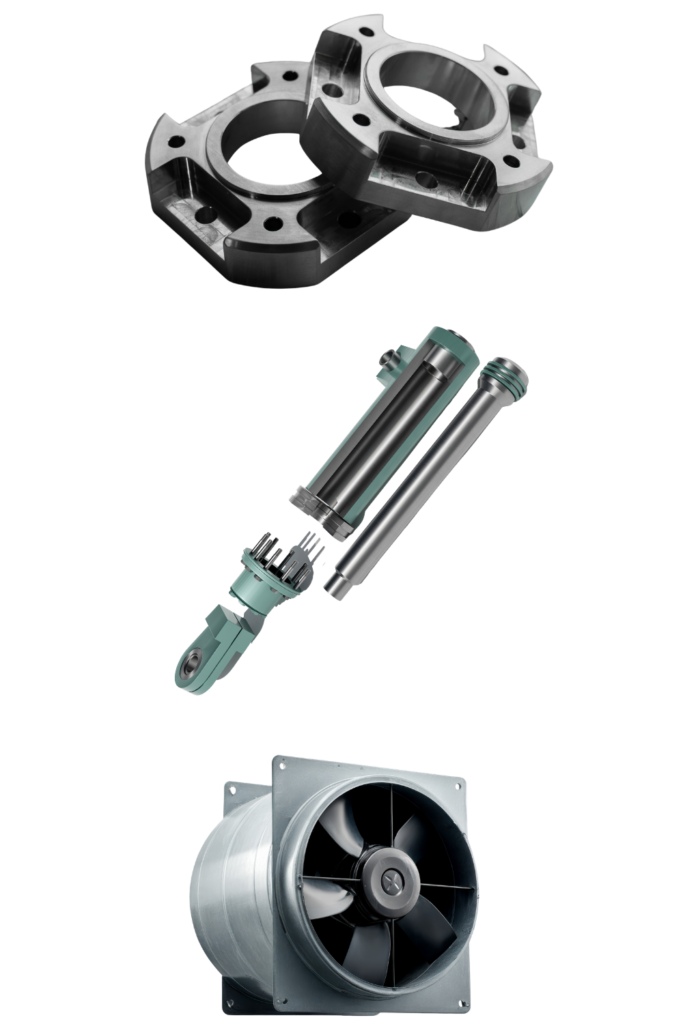
Overview.
Complexity is often built into geometry long before production begins.
Small geometry decisions can quietly increase machining time, tooling difficulty, assembly effort, inspection burden and overall product cost.
Our geometry optimization review is designed to identify where simplification, refinement and better technical choices can improve
cost efficiency
without losing functional value.
Scope.
Assembly-related geometry constraints.
Cost-sensitive design
choices.
Geometry simplification opportunities.
Efficiency to manufacture.
Scope.
Assembly-related geometry constraints.
Geometry simplification opportunities.
Cost-sensitive design choices.
Efficiency to manufacture.
Scope.
Assembly-related geometry constraints.
Geometry simplification opportunities.
Cost-sensitive design choices.
Efficiency to manufacture.
In-depth technical areas.
Typical Use cases.
Common situations where technical review helps teams move forward.
Medical devices.
When drawings are approaching
supplier realease or prototype
build and documentation quality needs to support tighter manufacturing and
inspection expectations.
Automotive and Mobility.
When teams need a second technical perspective on drawing consistency, dimensional strategy and manufacturability before moving forward.
Consumer Products.
When product geometry needs refinement for cost reduction, assembly simplicity or clearer downstream communication.
Roadmap.
Essential project deliverables.
Deep Analysis.
A structured
marked-up review of the drawing,
highlighting complexity drivers, manufacturing-sensitive features and geometry areas with optimization potential.
Cost-Reduction and Manufacturability Insights.
Clear recommendations on where geometry refinement
can simplify production, reduce effort and
improve cost efficiency.
Next-Step Guidance.
A concise technical basis to help your team decide which geometry changes deserve priority before supplier handoff, prototyping or further development.
Typical Use cases.
Common situations where technical review helps teams move forward.
Medical Devices.
Mobility Industry.
Consumer Tech.
Robotics.
Roadmap.
Essential project deliverables.
Deep Analysis.
A structured
marked-up review of the drawing, highlighting complexity
drivers, manufacturing-sensitive
features and geometry areas
with optimization potential.
Cost-Reduction and Manufacturability Insights.
Clear recommendations on where geometry refinement can simplify production, reduce effort and
improve cost efficiency.
Next-Step Guidance.
A concise technical basis to help your team decide which geometry changes deserve priority before supplier
handoff, prototyping or further development.
Frequently Asked Questions.
What kind of improvements can be identified?
Typical opportunities include reducing unnecessary complexity, improving manufacturability, simplifying features, supporting easier assembly, reducing machining or tooling effort, improving robustness and aligning the geometry better with the selected manufacturing process.
What inputs are needed for a geometry optimization review?
Useful inputs may include 3D models, drawings, material information, manufacturing process, assembly requirements, cost concerns, supplier feedback and the main functional requirements of the part or system.
Does Trapezi evaluate the geometry based on the intended manufacturing process?
Yes. When the manufacturing process is known, we review whether the geometry is aligned with its practical constraints, such as machining access, tooling feasibility, wall thickness, draft requirements, bending limitations, casting considerations, assembly access or inspection needs. This helps identify potential risks before quotation, tooling or production.
Does Trapezi redesign the product completely?
No. This service is focused on technical consulting and improvement recommendations. We identify opportunities and suggest technical directions, but the final design decisions, validation and engineering release remain with the client’s responsible team.
When should a company request a geometry optimization review?
A geometry optimization review is useful when a part is too expensive to manufacture, difficult to assemble, dependent on a complex supplier process or showing recurring technical issues. It can also be requested before quotation, tooling investment or production release, helping the client identify improvement opportunities before costs and design decisions become harder to change.
If the part already works, why should we review the geometry?
A part can be functional and still carry unnecessary manufacturing cost, complexity or supplier dependency. Geometry optimization helps identify whether the current design could be simplified, made easier to manufacture, easier to assemble or better aligned with the selected production process, without compromising the intended function. The objective is not to change what already works, but to reveal improvement opportunities that may reduce cost, lead time and production risk.
Frequently Asked Questions.
What kind of improvements can be identified?
Typical opportunities include reducing unnecessary complexity, improving manufacturability, simplifying features, supporting easier assembly, reducing machining or tooling effort, improving robustness and aligning the geometry better with the selected manufacturing process.
What inputs are needed for a geometry optimization review?
Useful inputs may include 3D models, drawings, material information, manufacturing process, assembly requirements, cost concerns, supplier feedback and the main functional requirements of the part or system.
Does Trapezi evaluate the geometry based on the intended manufacturing process?
Yes. When the manufacturing process is known, we review whether the geometry is aligned with its practical constraints, such as machining access, tooling feasibility, wall thickness, draft requirements, bending limitations, casting considerations, assembly access or inspection needs. This helps identify potential risks before quotation, tooling or production.
Does Trapezi redesign the product completely?
No. This service is focused on technical consulting and improvement recommendations. We identify opportunities and suggest technical directions, but the final design decisions, validation and engineering release remain with the client’s responsible team.
When should a company request a geometry optimization review?
A geometry optimization review is useful when a part is too expensive to manufacture, difficult to assemble, dependent on a complex supplier process or showing recurring technical issues. It can also be requested before quotation, tooling investment or production release, helping the client identify improvement opportunities before costs and design decisions become harder to change.
If the part already works, why should we review the geometry?
A part can be functional and still carry unnecessary manufacturing cost, complexity or supplier dependency. Geometry optimization helps identify whether the current design could be simplified, made easier to manufacture, easier to assemble or better aligned with the selected production process, without compromising the intended function. The objective is not to change what already works, but to reveal improvement opportunities that may reduce cost, lead time and production risk.
Seeking a higher standard for your technical drawings?
Tell us what you’re working on and how we can support your team.